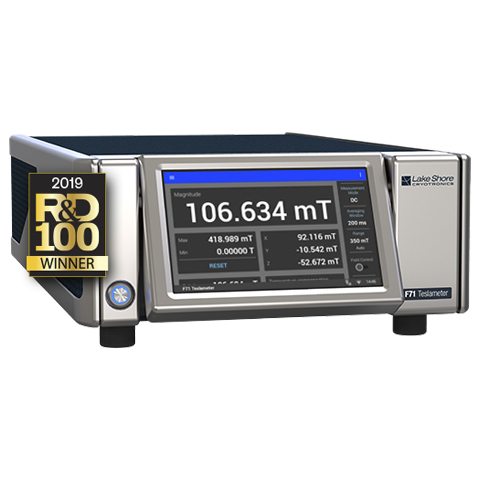
F71 and F41 Teslameters
Perfect for measuring magnetic fields in a wide variety of applications, the new Lake Shore Cryotronics F71 and F41 teslameters with FP Series probes offer a new level of precision, convenience, an


Keep up to date with our latest product news, events and developments:
Perfect for measuring magnetic fields in a wide variety of applications, the new Lake Shore Cryotronics F71 and F41 teslameters with FP Series probes offer a new level of precision, convenience, an
Miscellaneous Accessory Features Lake Shore also supplies heat sink bobbins, a beryllium oxide heat sink chip, and a four-lead resistance sample holder. Cartridge heaters and vacuum feedthrough pro
Varnish Features The most common varnish for cryogenic installations is VGE-7031 varnish. It has good chemical resistance, bonds to a variety of materials, and has a fast tack time.
Grease Features Thermal greases are used to install and fasten sensors, while providing thermal contact and electrical insulation, with the sample. Apiezon N and Apiezon H greases are suitable for
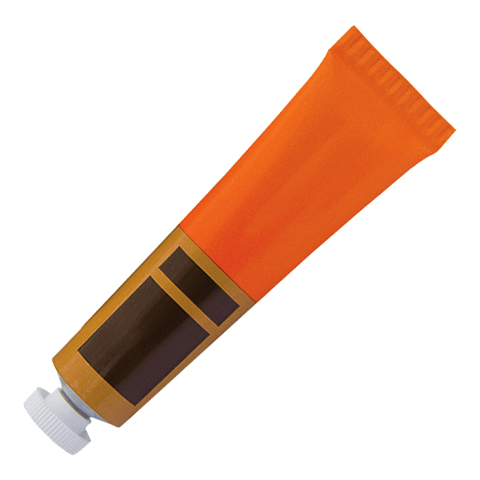
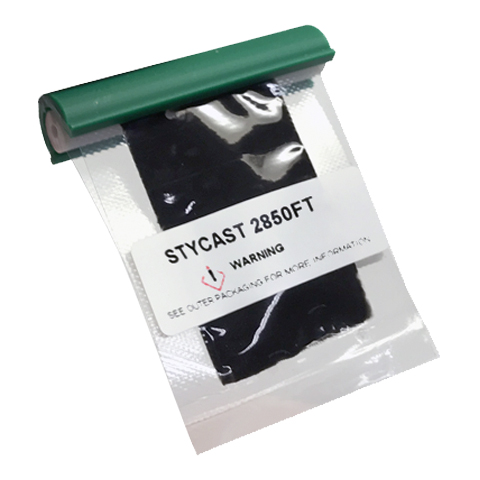
Epoxy Features Epoxies are used to install and fasten sensors, while providing thermal contact and electrical insulation, with the sample. Epoxy can also be used for mechanical attachment and joint
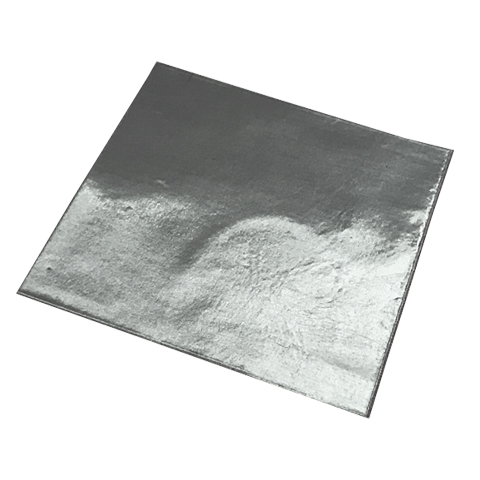
Solder Features The most common electrical connections are solder joints. Solder can also be used to install various sensors to improve thermal heat sinking. Common solders are indium solder and 90
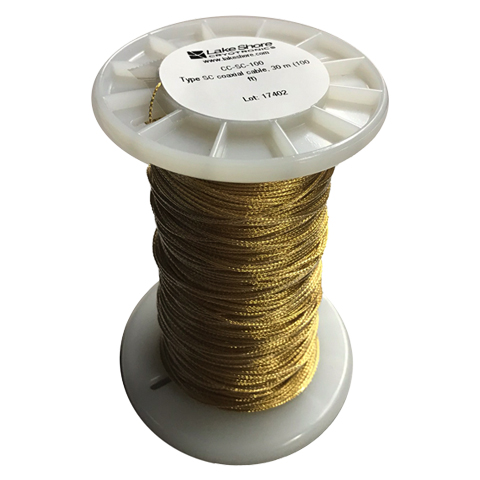
Cryogenic Cable Features For high-frequency signals, Lake Shore provides various coaxial cables: ultra-miniature coaxial cables and semi-rigid coaxial with a stainless steel centre conductor.
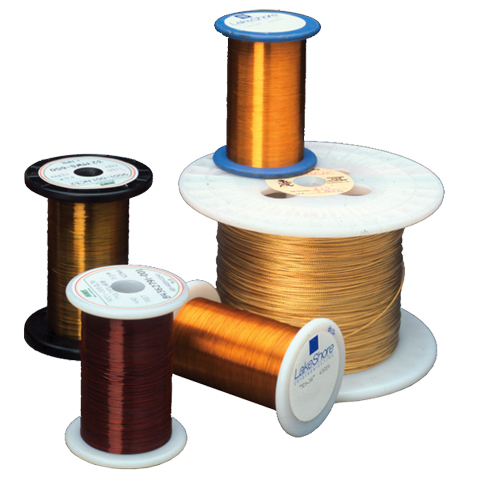
Cryogenic Wire Features Used to minimise heat leak into the sensor and cryogenic system, cryogenic wire has a much lower thermal conductivity (and higher electrical resistivity) than copper wire. T
Overview The Model 121 programmable DC current source is a precision instrument suitable for bench-top use or panel-mounted operation in labs, test facilities, and manufacturing environments. It pr
From precision thermometry to advanced measurement Lake Shore has advanced science by providing cryogenic temperature and magnetic instrumentation to researchers and engineers for decades. At
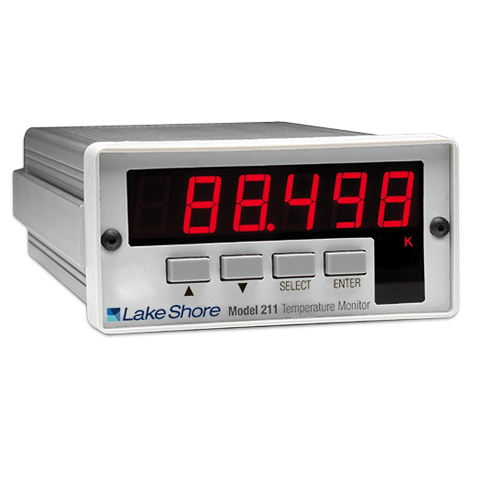
The Lake Shore single-channel Model 211 temperature monitor provides the accuracy, resolution, and interface features of a benchtop temperature monitor in an easy to use, easily integrated, compact
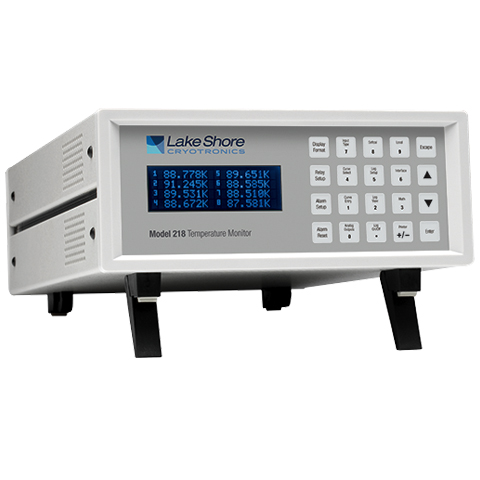
The Model 218 is our most versatile temperature monitor. With eight sensor inputs, it can be used with nearly any diode or resistive temperature sensor. It displays all eight channels continuously
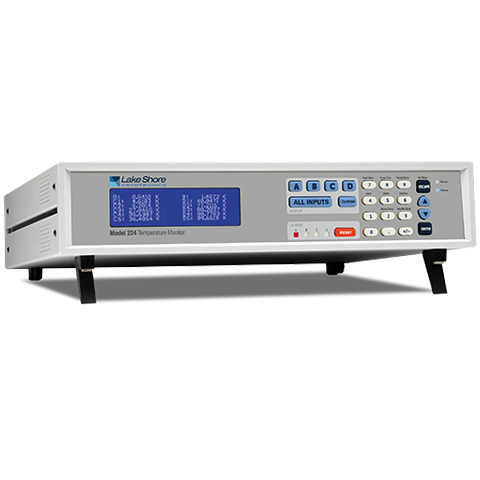
The Lake Shore Model 224 temperature monitor offers precision measurement in a wide range of cryogenic and higher-temperature applications with the ability to easily monitor up to 12 sensor channel
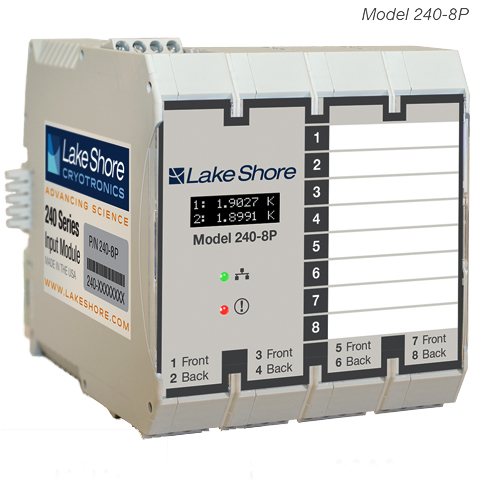
Simplifying large-scale cryogenic temperature measurement The new 240 Series offers a convenient, modular input solution for precision monitoring of cryogenic temperature sensors in large-scale app
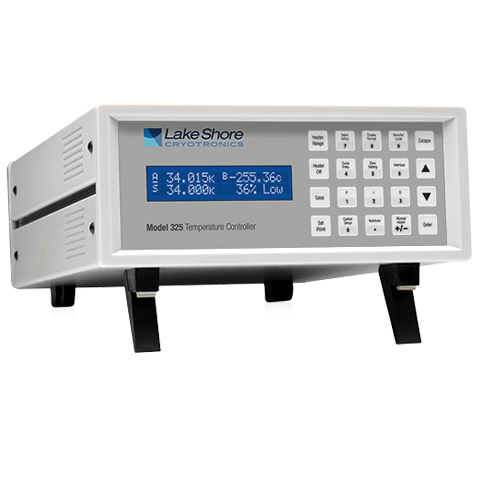
The Model 325 dual-channel cryogenic temperature controller is capable of supporting nearly any diode, RTD, or thermocouple temperature sensor. Two independent PID control loops with heater outputs
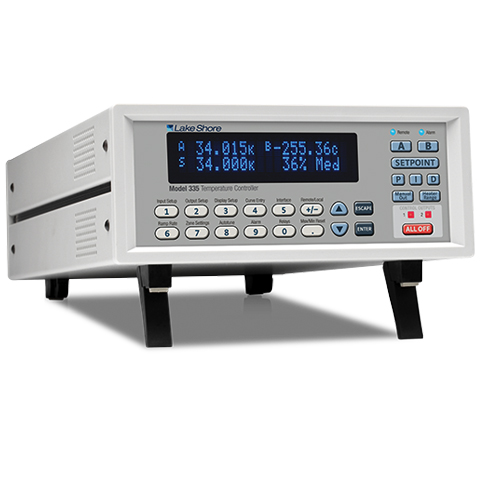
Designed with the user and ease of use in mind, the Model 335 temperature controller offers many user-configurable features and advanced functions that until now have been reserved for more expensi
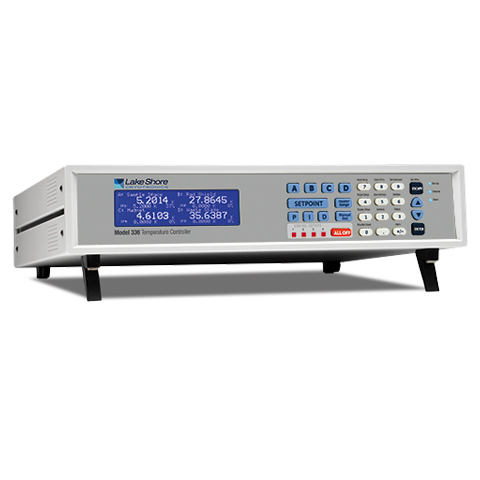
The first of a new generation of innovative temperature measurement and control solutions by Lake Shore, the Model 336 temperature controller comes standard equipped with many advanced features pro
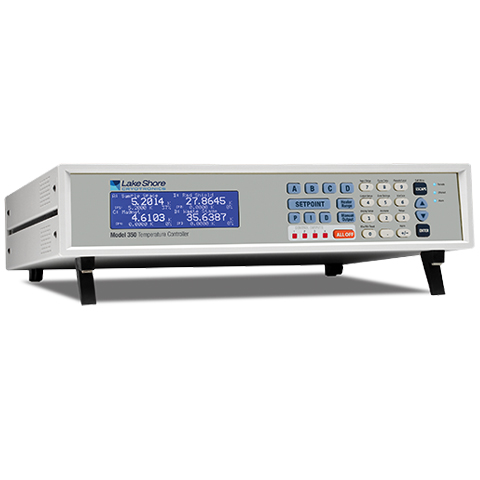
The Model 350 ultra-low cryogenic temperature controller is a powerful physics tool. Designed for the demands of pumped He-3 refrigerators and other ultra-low and low temperature platforms, the Mod
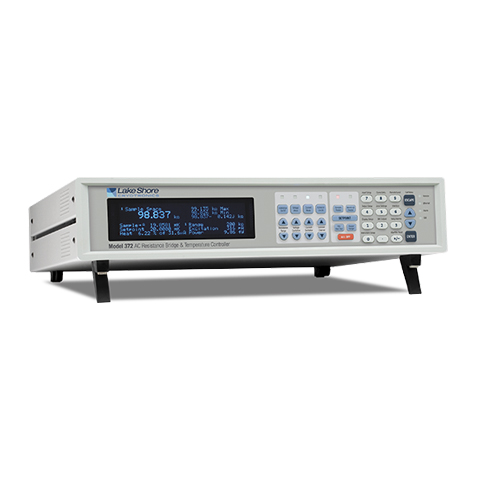
Latest-generation design for ultra-low temperature applications The Model 372 AC resistance bridge and temperature controller builds on the solid foundation provided by the original Lake Shore AC r
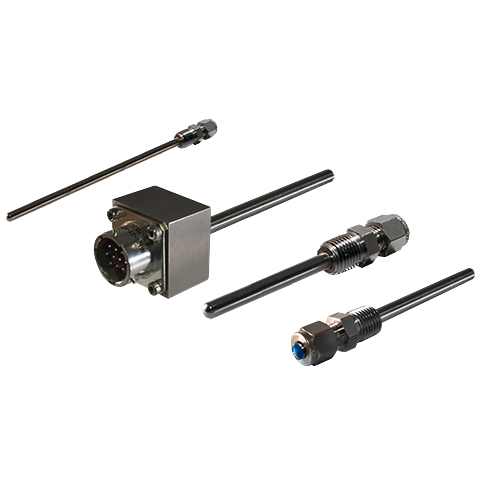
Lake Shore offers a variety of temperature sensors in packages that enable mounting in very tight areas. But for some applications (especially if the sensors have to be immersed in liquid) you need